Hybrid Cars Explained: How They Work, Costs, and Their Role in the Future of Driving
Discover how hybrid cars work, their economical benefits, plug-in variants, and why they serve as a crucial bridge between gasoline and electric vehicles.
What Makes Hybrids Different
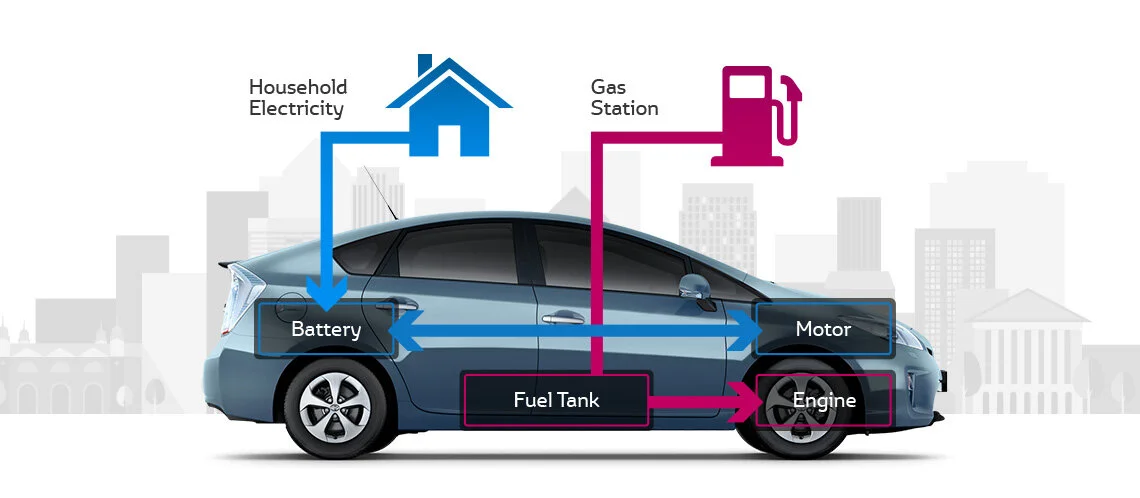
Hybrid cars combine a gasoline engine with an electric motor, letting drivers enjoy better fuel efficiency and lower emissions without sacrificing convenience. An onboard computer seamlessly switches between or blends the two power sources based on driving conditions—using the electric motor at low speeds and the engine when more power is needed. Regenerative braking captures kinetic energy during deceleration and stores it in the battery, further boosting efficiency and reducing brake wear.
Plug-In Hybrids: A Step Closer to Electric
Plug-in hybrids (PHEVs) feature a larger battery that can be charged from an external source, providing an extended all-electric range. Many daily commutes can be completed on electricity alone, and when the battery depletes, the car operates as a conventional hybrid. This design makes PHEVs an appealing middle ground for drivers who want electric benefits without range anxiety or reliance on charging infrastructure.
Economic Benefits and Long-Term Value
The upfront cost of hybrids has dropped due to fierce competition, and many regions offer tax credits or incentives. Lower fuel consumption leads to significant savings over the vehicle’s lifespan, while regenerative braking reduces maintenance costs for components like brakes. Resale values remain strong, making hybrids a financially sound choice.
Hybrids’ Role in Today’s Mobility
Hybrids serve as a practical transition technology, offering a taste of electric driving without requiring a complete shift in routine. They help reduce emissions and fuel dependence while alleviating range anxiety. By combining familiar gasoline refueling with electric efficiency, hybrids accelerate the adoption of cleaner transportation.
Questions and Answers
What are the top hybrid models expected in 2026?
Leading models from Toyota, Honda, and Ford are anticipated, with successors to the Prius, Accord Hybrid, and Escape Hybrid likely to feature upgraded batteries, better fuel economy, and modern design.
Hybrid vs. electric: which is better for efficiency and cost?
Hybrids generally have lower purchase prices and greater range flexibility, while electric cars offer zero emissions. Hybrids are ideal for those not ready to go fully electric, as they combine fuel savings with conventional refueling.
What are the main benefits of owning a hybrid?
Improved fuel efficiency, reduced emissions, lower running costs, minimal charging requirements, and potential tax incentives make hybrids attractive.
Which hybrids are affordable for budget-conscious buyers?
Models such as the Toyota Corolla Hybrid, Honda Insight, and Hyundai Ioniq deliver hybrid benefits at competitive prices.
How do hybrid cars work?
A hybrid uses an internal combustion engine and an electric motor, powered by a battery charged via regenerative braking or plug-in. The system automatically selects the most efficient power source, reducing fuel use and emissions while providing the flexibility of a gas car.