How Ozone, Aerosols, and Carbon Sinks Shape Our Climate: A Chemistry Perspective
Explore the dual roles of ozone and aerosols, the strain on natural carbon sinks, and feedback loops that drive climate change. A comprehensive look at atmospheric chemistry.
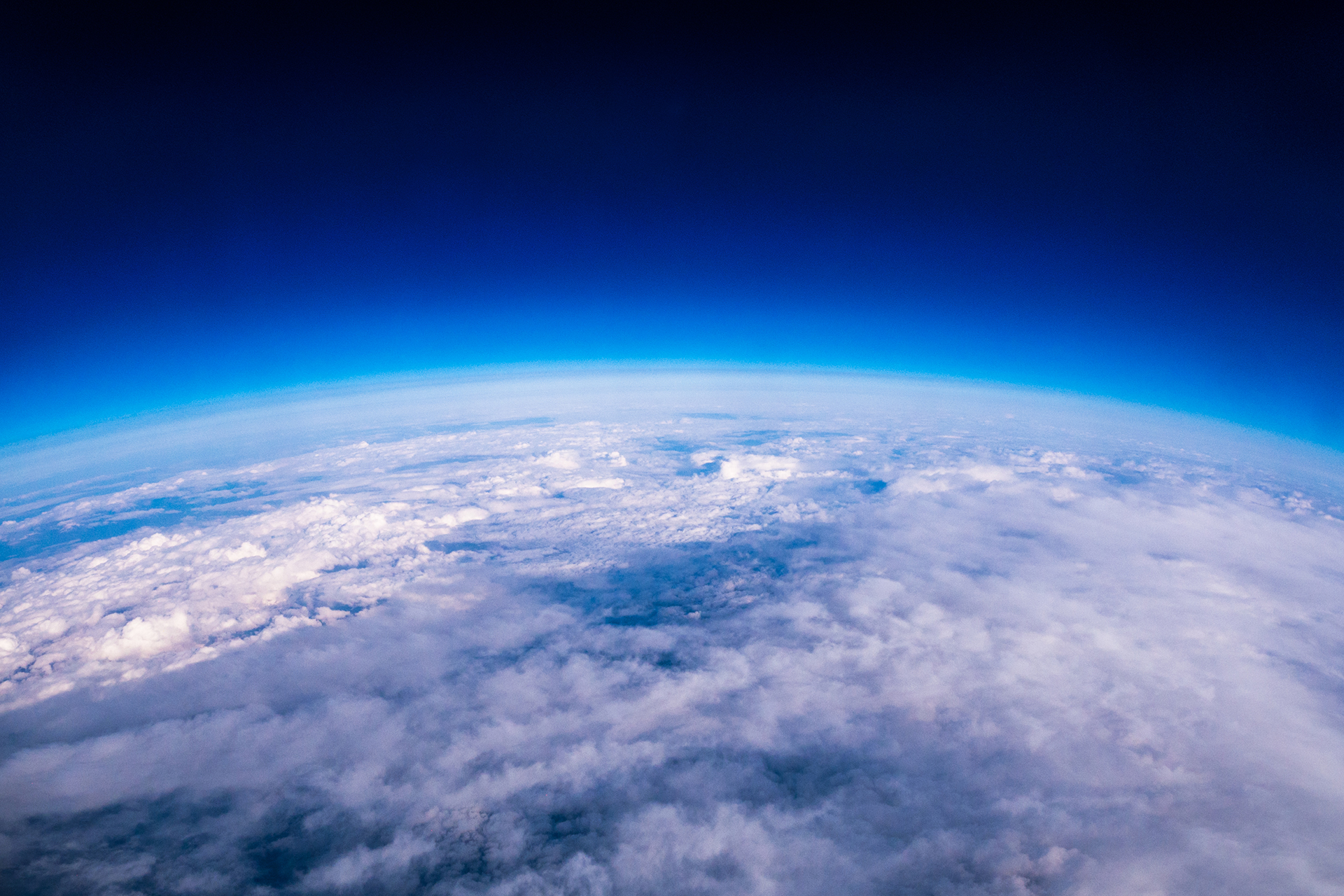
The Invisible Orchestra: Atmospheric Chemistry
The air we breathe is not empty—it is a dynamic mixture of gases, particles, and chemicals that interact in complex ways. These invisible processes directly shape our climate, influencing temperature, weather patterns, and the health of ecosystems. Understanding this chemical ballet is essential to grasping why climate change unfolds as it does.
The Greenhouse Effect and Climate Feedback Loops
The greenhouse effect is a natural process: certain gases (carbon dioxide, methane, water vapor) trap heat from the sun, keeping Earth warm enough for life. However, human activities—especially burning fossil fuels and deforestation—have pumped extra greenhouse gases into the atmosphere, amplifying the effect and causing global warming. Climate feedback loops either accelerate or slow these changes. A positive feedback example: rising temperatures melt polar ice, reducing reflectivity (albedo), which causes more heat absorption and further melting. Conversely, increased CO₂ can boost plant growth, which absorbs more CO₂—a negative feedback. Understanding these loops is critical for predicting future climate and designing effective mitigation strategies.
Aerosols: A Cooling Blanket with a Warming Twist
Aerosols are tiny particles suspended in the air—from natural sources like volcanic ash and sea spray, and from human sources like industrial emissions. They have a double-edged effect: they reflect sunlight back into space, partially offsetting greenhouse warming. Yet this cooling effect creates a policy challenge—as we clean up air pollution, we remove that cooling, potentially accelerating warming. Distinguishing natural from anthropogenic aerosols and understanding their role in cloud formation and precipitation is key. The table below summarizes recent findings from NOAA on atmospheric chemistry:
| Topic | Key Findings | Source Institution |
| Ozone Layer | Stratospheric ozone shows signs of recovery due to reduced CFC emissions but remains vulnerable to climate feedbacks altering ozone chemistry. | NOAA |
| Atmospheric Chemistry | Interactions between greenhouse gases and ozone chemistry are critical in climate feedback mechanisms shaping atmospheric composition dynamics. | NOAA |
Ozone's Dual Life: Protector and Pollutant
Ozone plays two starkly different roles. High in the stratosphere, it forms a protective layer that absorbs most of the sun's harmful UV radiation. At ground level, however, ozone is a damaging pollutant that harms human health and plants. Air circulation patterns, influenced by phenomena like El Niño–Southern Oscillation (ENSO), transport ozone across continents, linking emissions in one region to air quality in another. Understanding these circulatory dynamics is crucial for both predicting environmental impacts and devising pollution management strategies.
Natural Carbon Sinks Under Pressure
Forests, oceans, and soils act as natural carbon sinks, absorbing CO₂ from the atmosphere. But these systems are showing signs of strain. Deforestation, land-use changes, and warming temperatures reduce their capacity to sequester carbon, creating a dangerous feedback loop: more CO₂ in the air → more warming → further stress on sinks → even more CO₂. Preserving and restoring these natural systems (e.g., through sustainable land management and reforestation) remains a high priority in climate action.
Advanced Observation Tools: Seeing the Unseen
Scientists rely on a global network of ground-based monitors, aircraft, and satellites to track atmospheric chemistry. Satellites offer a bird's-eye view, measuring greenhouse gases, aerosol concentrations, and ozone levels with remarkable precision. This data feeds into climate models, improving predictions and informing policy. As technology advances, our understanding of the invisible dance of molecules continues to grow, guiding decisions for a stable climate and healthier air.
Question and Answer
What is the role of the ozone layer in the atmosphere, and how does it impact climate?
The ozone layer in the stratosphere shields Earth from most harmful UV radiation, protecting life and ecosystems. It also warms the stratosphere, influencing temperature distributions and weather patterns. At ground level, ozone acts as a greenhouse gas, contributing to warming and harming air quality—highlighting its dual impact on climate.
How do aerosol particles influence the Earth's climate system?
Aerosols—tiny solid or liquid particles from natural (volcanoes, dust) and human (fossil fuel burning) sources—affect climate by reflecting sunlight (cooling) and by altering cloud formation and precipitation. This cooling has partially masked greenhouse warming, but reducing aerosol pollution may accelerate warming, creating a policy dilemma.
What is the greenhouse effect, and why is it critical to understanding climate change?
The greenhouse effect is the natural trapping of heat by gases like CO₂, methane, and water vapor. Human activities have intensified this effect by increasing greenhouse gas concentrations, leading to global warming. Understanding it is essential to linking human actions to climate change and designing mitigation strategies.
How does air circulation affect the distribution of pollutants and climate patterns?
Large-scale air movements, driven by Earth's rotation and solar heating, distribute heat, moisture, and pollutants around the globe. Emissions from one region can affect air quality and climate far away, demonstrating the interconnectedness of atmospheric systems and the need for international cooperation in pollution control.
What are climate feedback loops, and how do they influence climate change?
Feedback loops amplify or dampen initial climate changes. Positive feedbacks (e.g., ice-albedo effect) accelerate warming; negative feedbacks (e.g., enhanced plant growth absorbing CO₂) slow it. Identifying and modeling these loops is crucial for projecting future climate and developing adaptation measures.