Nanotechnology Revolution: Targeted Drug Delivery, Smart Materials, and Next-Gen Sensors
Discover how atomic-scale innovations in nanomedicine, self-assembling materials, nanosensors, and nano-coatings are revolutionizing healthcare, energy, and manufacturing.
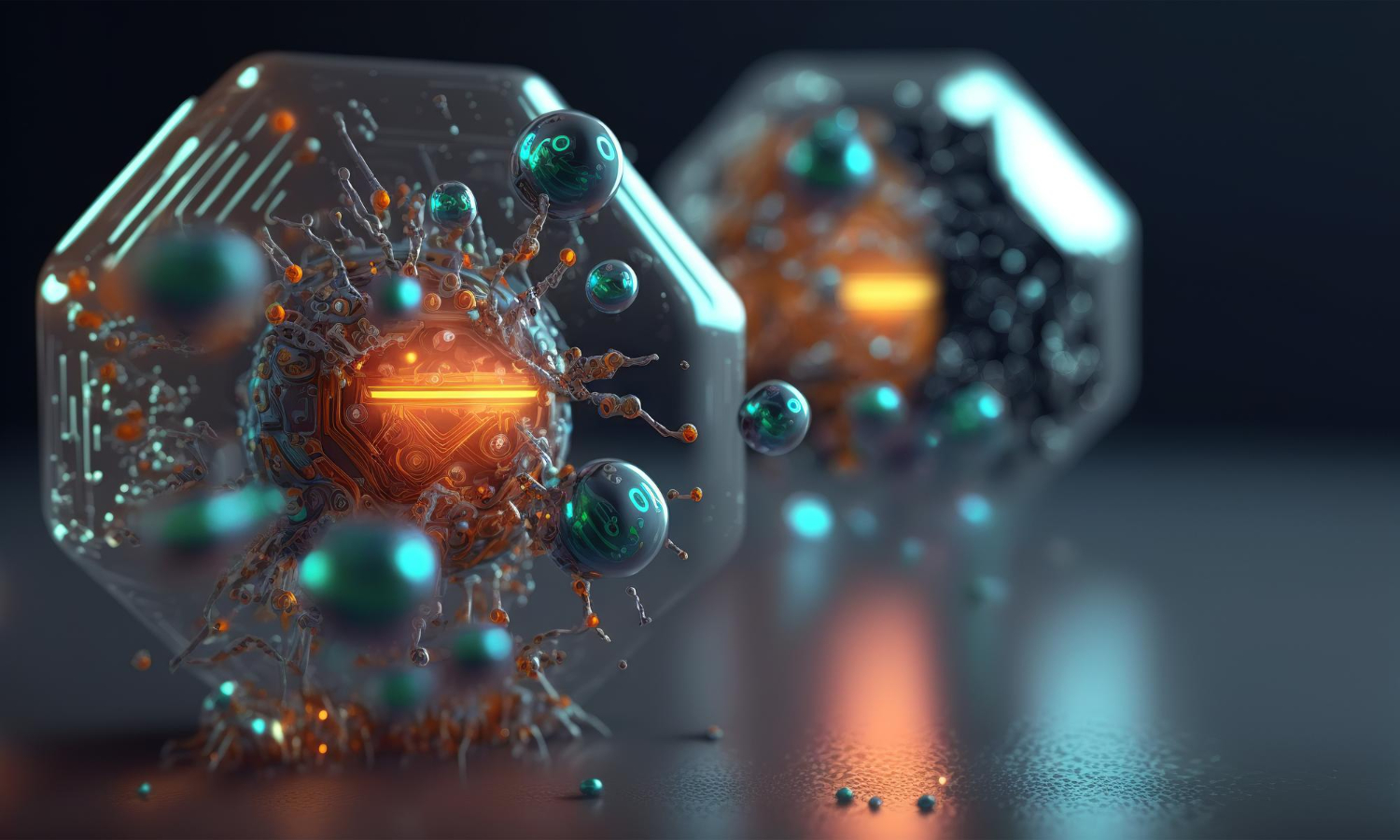
Nanomedicine: Precision at the Atomic Scale
Nanotechnology is reshaping healthcare by enabling interventions with atomic-level accuracy. At the heart of this transformation is nanomedicine, which uses engineered nanoparticles to diagnose and treat diseases with unprecedented specificity. These tiny carriers can deliver drugs directly to cancer cells, sparing healthy tissue and reducing side effects. Advanced immunotherapies now harness nanoparticles to unmask tumors, making them visible to the immune system. Meanwhile, two-dimensional materials activated by light or heat offer precise control over treatment release, marking a leap forward in targeted therapy.
Revolutionizing Regenerative Medicine
Beyond fighting disease, nanotechnology amplifies the body's natural repair mechanisms. Stem cell-derived nanovesicles, loaded with growth signals, are administered to accelerate wound healing, bone regeneration, and recovery from radiation damage. These nano-sized messengers promote new blood vessel formation, reduce inflammation, and stimulate tissue regrowth, offering a gentle yet powerful approach to regenerative medicine.
A New Arsenal Against Infections
Antibiotic resistance is being tackled with nano-enabled antimicrobials. By coupling antimicrobial peptides with nanoparticles, researchers enhance stability and target microbial cells with exceptional precision. These nanostructures disrupt bacterial and viral integrity, preventing replication. This strategy provides a promising tool against superbugs and emerging infectious diseases, transforming infection control.
Materials Engineered Atom by Atom
Manipulating matter at the nanoscale has unlocked materials with extraordinary properties. Through molecular engineering, scientists design substances with tailored strength, conductivity, and reactivity, impacting electronics, energy, and beyond.
The Art of Self-Assembly
Self-assembly allows molecules to spontaneously organize into complex structures without external intervention. Gold nanoparticles, for instance, can align into helical superstructures, creating plasmonic hotspots that concentrate light. These configurations enhance catalysis and sensor capabilities, opening new pathways in material creation that mimic nature's inherent order.
Smart Materials That Respond to Stimuli
Intelligent materials are designed to change behavior in response to environmental triggers. In cancer therapy, two-dimensional nanomaterials carry therapeutic agents that remain inactive until activated by focused radiation, achieving surgical precision. Beyond medicine, these smart systems enable scratch-healing coatings, color-changing sensors, and temperature-regulating fabrics, redefining what materials can do.
Nanosensors: Detecting the Undetectable
Nanosensors detect subtle changes in chemical, physical, or biological signals, driving advances across industries. Their ability to sense at the molecular level enables early diagnosis and real-time monitoring.
Everyday Applications in Food and Agriculture
In food safety, nanosensors embedded in packaging detect spoilage or contamination, alerting consumers and extending shelf life. In agriculture, soil-embedded sensors monitor moisture and nutrient levels, optimizing irrigation and fertilization for sustainable food production.
Healthcare Precision Diagnostics
Nanosensors identify disease biomarkers at extremely low concentrations, allowing early intervention before symptoms appear. Integrated into therapeutic systems, they enable precision drug delivery, particularly in complex conditions like cancer and metabolic disorders, shifting healthcare toward proactive, personalized medicine.
Nano-Coatings: Invisible Shields
Ultra-thin nano-coatings impart surfaces with self-cleaning, antimicrobial, and scratch-resistant properties. In medicine, nano-infused wound dressings deliver antibiotics and anti-inflammatory agents directly to the injury site, adapting to the environment for better healing. In industry, these coatings improve durability and thermal management in aviation and automotive sectors, demonstrating how nanoscale engineering reinforces material resilience.
From targeted therapies to smart materials and sensors, nanotechnology is solving some of humanity's most profound challenges. As research continues, the invisible world of atoms holds the promise of transforming science, medicine, and everyday life.