The Autonomous Era: Sensor Fusion, Safety, and Smart Mobility
Discover how sensor fusion, AI, and safety protocols drive autonomous vehicles, UAVs, and industrial robots to transform mobility and industry.
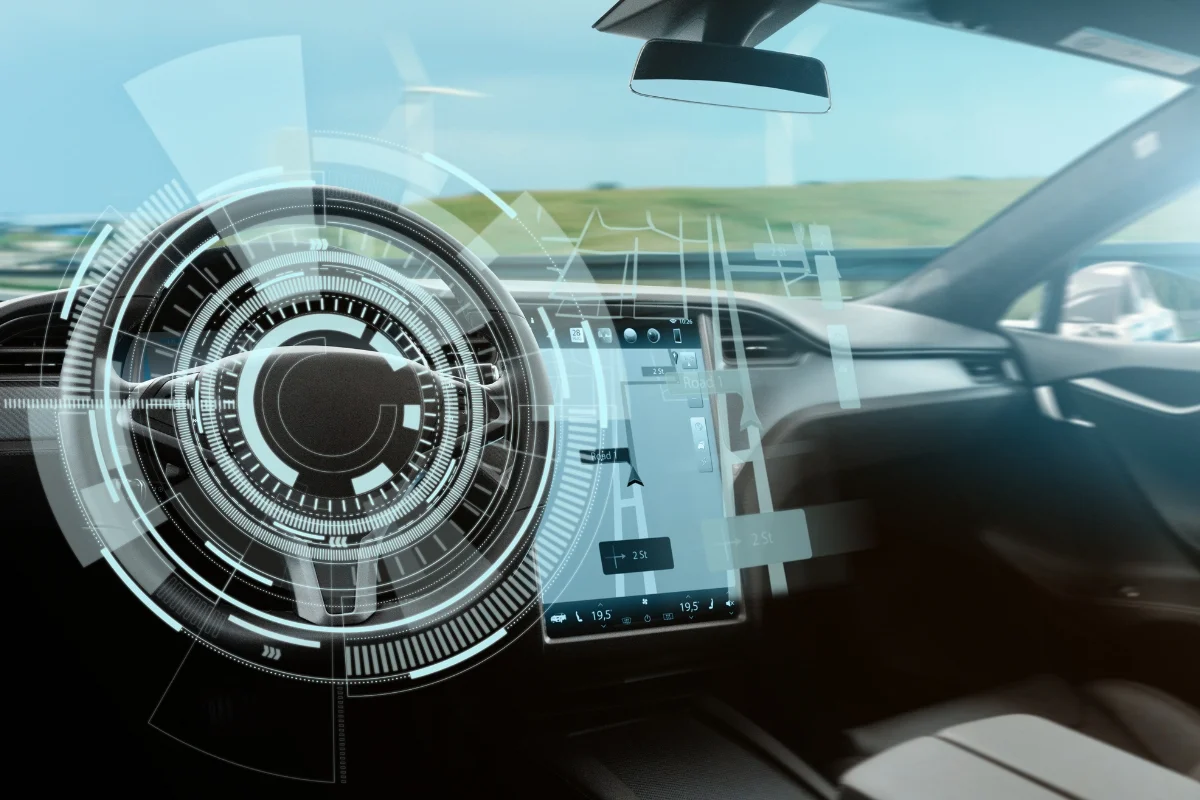
The Autonomous Vehicle Revolution
Intelligent vehicles are transforming transportation through advanced sensor fusion, adaptive learning, and new mobility models. This article explores the key technologies and trends driving autonomy on roads, in the air, and on factory floors.
Learning and Adaptation in Self-Driving Cars
Modern autonomous vehicles move beyond fixed algorithms to machine learning, processing data from lidar, radar, and cameras to build real-time situational awareness. This adaptive approach improves safety and handling of unpredictable driving scenarios.
Consumer Trends and Mobility Services
Electric vehicles increasingly integrate ADAS, paving the way to full autonomy. Consumer acceptance builds through education and trust, while robotaxis and autonomous logistics reshape urban mobility and supply chains, reducing personal car dependence.
Aerial and Ground Autonomous Systems
UAVs Pushing Boundaries
Unmanned aerial vehicles now perform complex missions using AI and sensor fusion. Single operators can coordinate multiple drones for tasks like environmental monitoring and delivery, boosting efficiency and reducing risk.
Industrial Robotics and Cobots
Collaborative robots work alongside humans in manufacturing, enhancing precision and safety. Innovations like exoskeletons further integrate human-robot collaboration, increasing productivity in global markets.
Algorithms: The Intelligent Core
Decision-Making Architectures
Reinforcement learning and deep learning power autonomous decision-making. These dynamic systems process data to adapt in real time, moving from pre-programmed tasks to self-directed coordination, crucial for navigating unpredictable environments.
Learning from Data
Autonomous systems continuously learn from operational data, mimicking human experience. Self-driving cars analyze diverse driving scenarios and improve via sensor fusion, anticipating changes to enhance safety and accuracy.
Safety and Security Frameworks
Air and Ground Safety Protocols
Comprehensive safety standards, fail-safe systems, and cybersecurity measures are essential for UAVs and autonomous vehicles. Proactive risk mitigation and constant monitoring ensure reliable operation and public trust.
High-Stakes Applications
In medical and other critical fields, autonomous systems must meet stringent safety requirements. Rigorous testing and continuous monitoring maintain operational fidelity, fostering safe coexistence with human operators.
Frequently Asked Questions
What are the key components of self-driving cars? Self-driving cars rely on sensor systems (LIDAR, radar, cameras), decision-making algorithms, and sensor fusion to perceive surroundings and drive safely.
How do UAVs use sensor fusion? UAVs integrate data from GPS, accelerometers, gyroscopes, and cameras for precise navigation, obstacle detection, and mission success.
How do industrial robots benefit from decision-making algorithms? They analyze real-time data to adapt and optimize tasks like assembly and material handling, boosting productivity.
What role do safety protocols play? Rigorous testing, validation, and fail-safe designs mitigate risks in autonomous systems, ensuring secure deployment.
How is sensor fusion applied in autonomous vehicles? Combining LIDAR, radar, and camera data creates an accurate environment model, improving obstacle detection and navigation.