How EdTech Is Transforming Education: Personalized Learning, Gamification, and More
Discover how LMS, adaptive learning, gamification, and VR transform education for personalized, career-ready learning.
Introduction
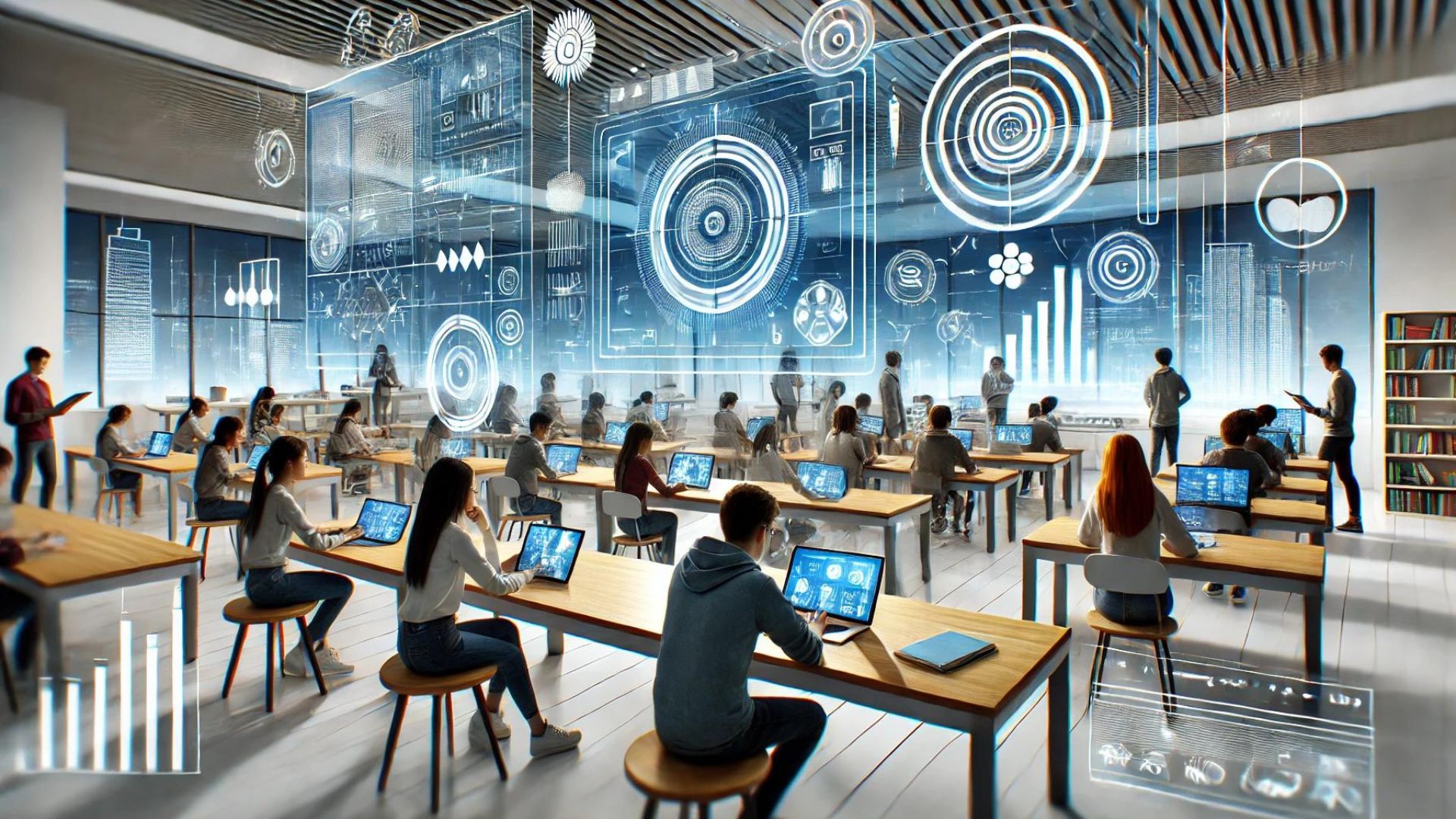
Modern education is undergoing a profound transformation as digital technologies disrupt traditional classroom models. From learning management systems (LMS) to adaptive learning algorithms and gamification, these tools place students at the center of their learning journey, fostering interaction, personalization, and engagement. This article examines key innovations—LMS, adaptive learning, collaborative tools, gamification, and virtual reality—and discusses the importance of ethical implementation and equitable access.
Personalized and Adaptive Learning
Adaptive learning technologies use artificial intelligence to tailor educational content to each student's needs. Platforms like DreamBox (math), Knewton, and Smart Sparrow continuously assess progress and adjust difficulty in real time. This ensures that learners are consistently challenged without becoming frustrated, promoting deeper understanding and self-reliance. Immediate feedback loops allow students to correct mistakes on the spot, solidifying concepts and building confidence.
These tools also accommodate diverse learning styles by offering content in various formats—videos, quizzes, interactive simulations—supporting auditory, visual, and kinesthetic learners alike. The result is a more inclusive and effective educational experience that empowers students to learn at their own pace.
Learning Management Systems and Collaboration
LMS platforms such as Canvas, Blackboard, and Moodle serve as centralized hubs for content delivery, communication, and progress tracking. They streamline administrative tasks and enhance teacher-student interactions, making education accessible from anywhere. Beyond organization, these systems facilitate collaborative learning through real-time document editing, discussion forums, and virtual whiteboards. Students can work together on projects regardless of location, developing essential teamwork and digital communication skills.
Moreover, LMS integration with multimedia tools allows creative expression through podcasts, animations, and interactive websites. Students can showcase understanding in innovative ways that reflect personal interests, deepening engagement with subject matter.
Gamification and Career Readiness
Gamification incorporates game-like elements—points, badges, leaderboards—into educational activities to boost motivation and perseverance. This approach makes learning enjoyable and fosters a sense of achievement. It also prepares students for future careers by simulating real-world challenges and rewarding goal-oriented behavior.
Virtual and augmented reality (VR/AR) simulations provide hands-on experience in STEM fields such as medicine, engineering, and architecture. Students can practice complex procedures—from virtual surgery to structural design—in a safe, controlled environment. These tools bridge the gap between academic knowledge and professional application, equipping graduates with practical skills and a competitive edge in the job market.
In corporate training, gamified platforms help employees acquire and retain skills through engaging, game-based learning strategies. This makes professional development more effective and relevant to evolving industry demands.
Ethical Implementation and Equitable Access
As technology becomes central to education, ensuring equitable access is paramount. Disparities in device availability and internet connectivity can widen the achievement gap. Educational policies must provide resources and training so that all students, regardless of background, can benefit from digital tools. Schools should adopt thoughtful frameworks that align technology use with pedagogical goals, focusing on student growth and well-being.
Teacher training is essential for effective integration. Educators need support to incorporate these tools in ways that enhance, rather than overshadow, teaching objectives. Balancing technological and pedagogical goals ensures that innovation enriches learning while safeguarding student privacy and promoting inclusive, ethical practices.
Q&A
What are the key benefits of Learning Management Systems (LMS) in education?
LMS platforms centralize learning materials, track progress, and enable personalized learning. They support diverse content formats, improve communication between instructors and students, and provide analytics to enhance educational outcomes.
How does Adaptive Learning enhance student engagement?
Adaptive learning personalizes the experience to match individual needs and pace. Data-driven insights adjust difficulty and content, keeping students challenged but not overwhelmed, thereby increasing motivation and participation.
What role does Gamification play in modern education?
Gamification uses points, badges, and leaderboards to make learning interactive and fun. It encourages competition and collaboration, enhancing learning outcomes and fostering a positive environment.
What are the advantages of Massive Open Online Courses (MOOCs) for lifelong learning?
MOOCs offer accessible, flexible learning to a global audience at low or no cost. They cover diverse topics, allow self-paced study, and connect learners with a broad community for shared insights.
How can Virtual Classrooms improve the learning experience?
Virtual classrooms provide dynamic, real-time interaction via video conferencing and collaborative tools, transcending geography. They cater to different learning styles and make education more inclusive.
What types of Assessment Tools are commonly used in digital education, and why are they important?
Common tools include quizzes, surveys, peer assessments, and automated grading. They measure understanding, provide feedback, and help educators tailor instruction, improving the learning process.