Ultimate Guide to Upgrading Your Car Audio System for Crystal Clear Sound
Upgrade your car audio system for crystal clear sound. Learn about DACs, amplifiers, speakers, subwoofers, DSP tuning, and modern plug-and-play kits.
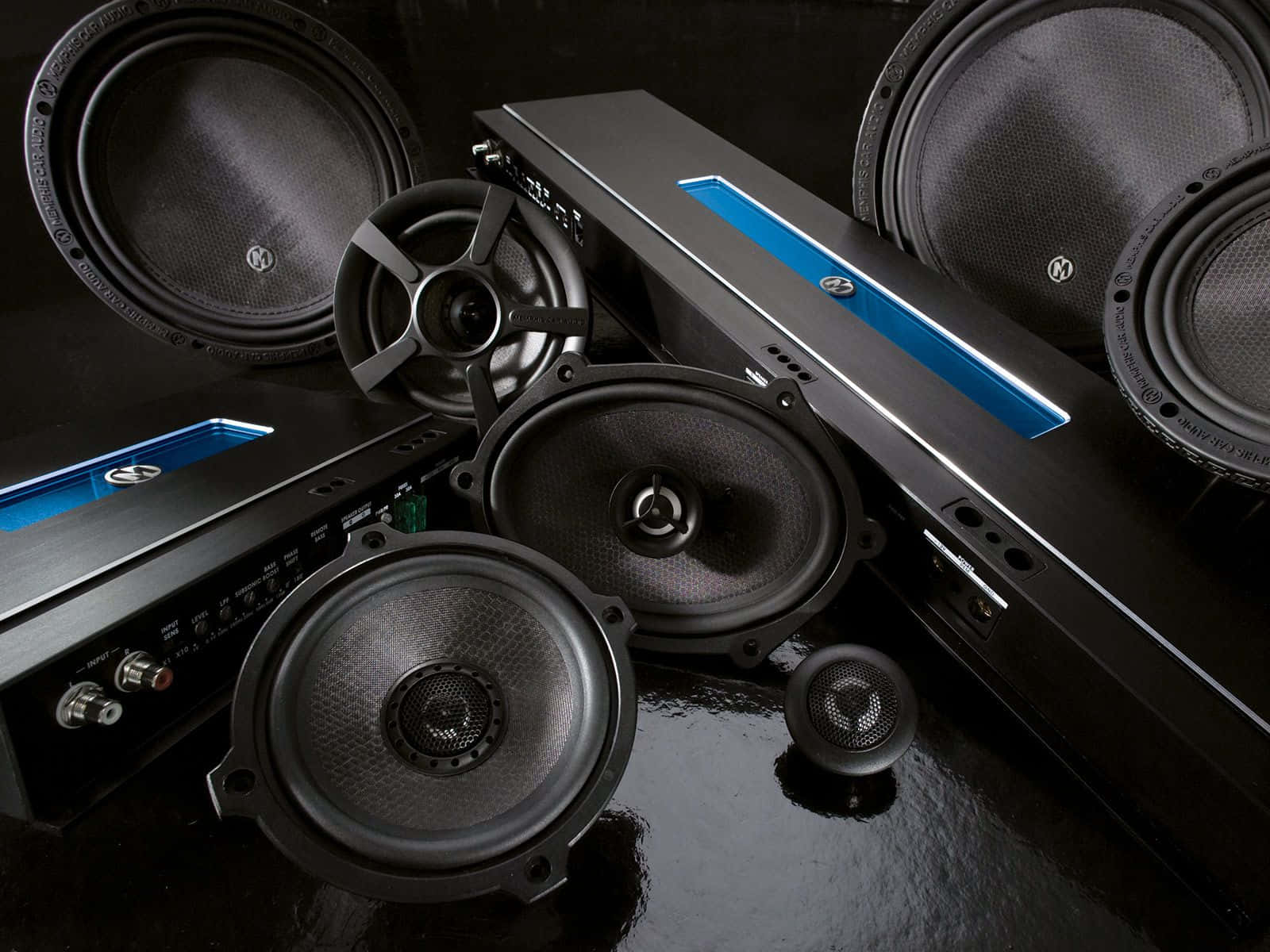
Why Car Audio Upgrades Matter
In-car audio faces unique challenges: reflective glass, soft fabrics, road noise, and engine hum all degrade sound quality. Stock systems prioritize cost and space over performance, often leaving listeners with thin, distorted output. Upgrading the audio chain—from source to speakers—transforms every drive into a concert-like experience. This guide walks through the core components and modern solutions for a premium sound system.
The Audio Chain: From Source to Speaker
Source and Digital-to-Analog Conversion
Every track starts as digital data (streams, files, or CDs). A high-quality Digital-to-Analog Converter (DAC) translates those ones and zeros into a clean analog signal. Factory head units often use mediocre DACs that compress dynamics. Upgrading to a unit with a superior DAC preserves detail, dynamic range, and clarity, giving the entire system a strong foundation.
Clean Amplification
After conversion, the signal must be amplified. Built-in head unit amplifiers are anemic and distort at higher volumes. A dedicated external amplifier provides clean, robust power. Properly matched to your speakers, it delivers every whisper and bass punch with precision, eliminating distortion and allowing your music to breathe.
Speakers: The Voice of the System
Speakers convert electrical signals back into sound. Quality component systems use separate drivers: tweeters for highs, mid-range for vocals and instruments, and woofers/subwoofers for bass. Materials like silk dome tweeters or polypropylene cones affect accuracy. Upgrading to aftermarket speakers immediately improves clarity, soundstage, and frequency extension.
Subwoofers: Adding Depth and Punch
Standard speakers cannot reproduce deep bass (<50 Hz) well. A dedicated subwoofer fills in low frequencies, adding body to hip-hop, electronic, and rock. Enclosure design (sealed vs. ported) affects tightness and output. Proper integration with a crossover ensures the sub only handles bass, freeing main speakers to focus on mids and highs.
Tuning the Acoustic Environment
Digital Signal Processing (DSP)
Every car’s cabin has unique acoustic flaws—reflections, cancellations, and uneven frequency response. A DSP allows precise adjustment of time alignment, equalization, and crossover points. It corrects for speaker placement and cabin resonances, creating a balanced soundstage where each instrument sits in its intended space.
Sound Deadening
Road noise and panel vibrations mask subtle details. Applying butyl-based deadening mats to doors, floors, and wheel wells reduces external noise and stops panels from resonating. This quieter background reveals micro-details in music and improves bass response by sealing the cabin.
Modern Upgrade Kits and Connectivity
Plug-and-Play Installation Kits
Gone are the days of complex wiring. Today’s vehicle-specific harnesses and adapters allow seamless integration of amplifiers, head units, and DSPs without cutting factory wires. These kits preserve resale value and are ideal for leased cars. Installation time drops from hours to minutes.
OEM-Quality Dash Kits
Replacing the factory stereo often leaves an ugly gap. Dash kits match your car’s trim texture, color, and contours, blending a modern head unit with the original interior. They accommodate larger screens and provide a professional, factory-like finish.
All-in-One Upgrade Packages
For a complete transformation, prepackaged bundles include a head unit, amplifier, speakers, subwoofer, and all wiring. These systems are engineered to work together, removing guesswork and ensuring balanced performance. Many support Apple CarPlay, Android Auto, and wireless connectivity.
Future Trends in Car Audio
Immersive and 3D Audio
Brands are adopting spatial audio processing, using multiple speakers and advanced DSP to create a 3D sound field. Listeners can pinpoint instruments in space, mimicking a live concert or studio mix. This technology is appearing in aftermarket upgrades as well as premium factory systems.
Personalized Sound Zones
Modern systems allow distinct audio zones for driver and passengers. Using separate DSP profiles, the driver can enjoy podcasts while rear-seat passengers watch movies—each with its own volume and EQ settings. This makes family road trips more harmonious.
Modular and Upgradeable Hardware
Future-proof systems use modular components that can be swapped or updated as technology evolves. Software-over-the-air updates improve DSP algorithms and add new features. This protects your investment and ensures your system stays current for years.
FAQs on Car Audio Upgrades
What are the benefits of upgrading car speakers? Better materials and design deliver clearer mids, crisp highs, and deeper bass, making music more detailed and immersive.
How does a subwoofer improve the audio experience? It reproduces low frequencies that standard speakers miss, adding punch and depth, especially for bass-heavy genres.
Why is amplifier tuning important? Proper gain, crossover, and EQ settings prevent distortion and ensure clean power delivery, maximizing sound quality.
Does sound deadening help? Yes. It reduces road noise and panel vibrations, allowing you to hear more detail and improving bass tightness.
What modern head unit features enhance audio? Bluetooth streaming, high-resolution DACs, built-in DSP, and smartphone integration all improve convenience and signal purity.