Proactive Car Care: Essential Maintenance, DIY vs. Professional Tips, and Cost-Saving Strategies
Learn how regular maintenance extends vehicle life, when to DIY vs hire a pro, and smart strategies to reduce long-term car ownership costs.
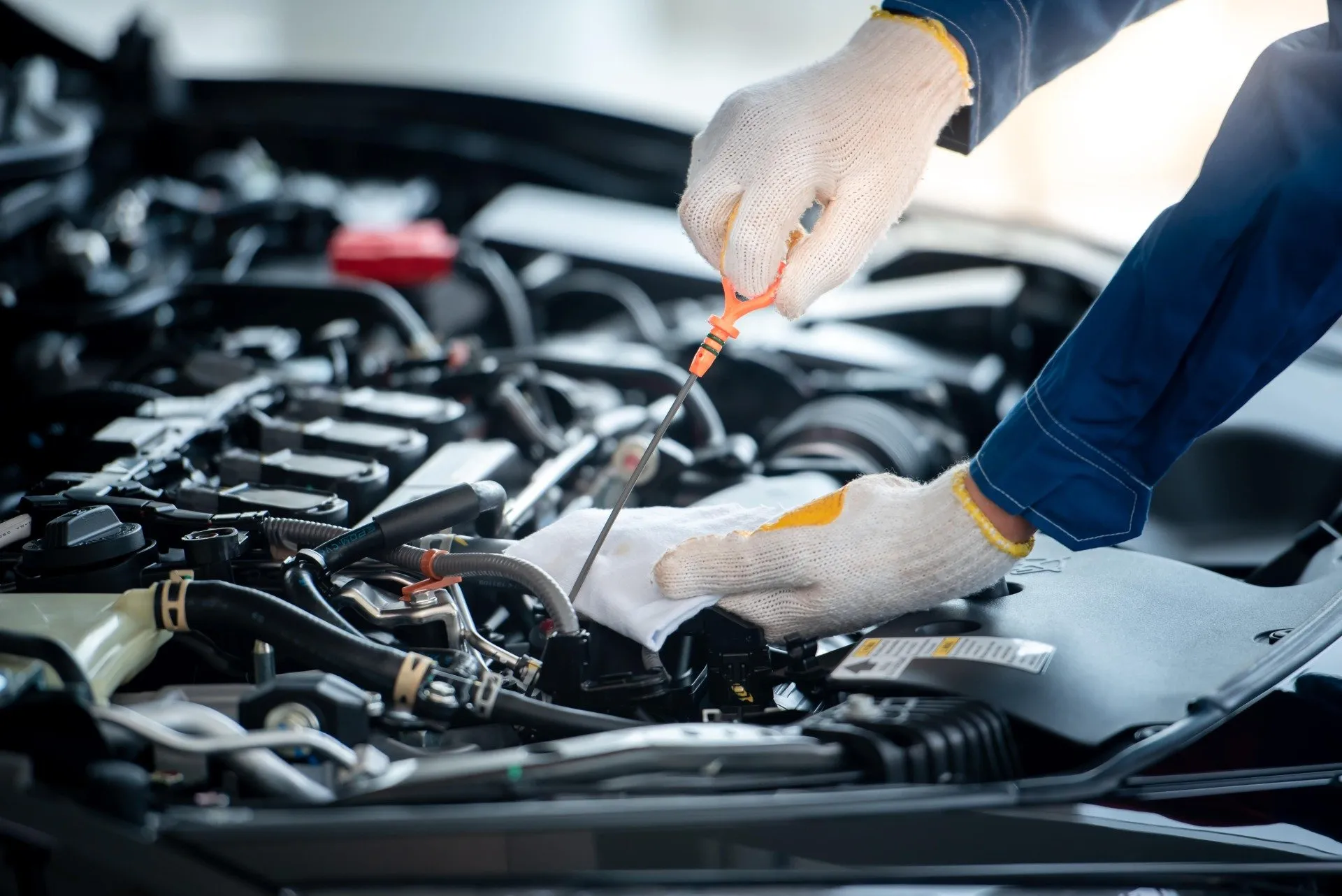
The Foundation of Vehicle Longevity: Regular Maintenance
Keeping your car in top shape requires consistent attention. Just as we prioritize health checkups, a vehicle benefits from scheduled inspections and routine care. By staying ahead of wear and tear through regular oil changes, filter replacements, and tire checks, you prevent minor issues from becoming major breakdowns. This proactive approach not only extends the life of your car but also maintains its resale value and reliability.
Why Prevention Beats Repair
The most effective way to avoid expensive surprises is to shift from reactive fixes to scheduled upkeep. Following the manufacturer's maintenance schedule is critical. It involves more than oil changes—it means regular checks on brakes, fluids, belts, and batteries. Catching worn components early saves money and prevents cascading damage that could leave you stranded.
How Vehicle Type and Brand Affect Your Wallet
Your choice of vehicle has a direct impact on annual maintenance costs. Premium brands often demand higher service expenses due to specialized parts and labor. Meanwhile, vehicles with fewer moving parts, like electric cars, tend to have lower upkeep costs. Understanding these differences helps you budget more accurately and choose a car that fits your long-term financial plan.
DIY vs. Professional Care: Making the Right Choice
Deciding whether to handle a repair yourself or call a pro depends on the task's complexity, your skill level, and your comfort with risk. While DIY can save money, it's crucial to know where your abilities end and expert help begins. The wrong decision can lead to costly damage.
Assessing Risk, Cost, and Complexity
Simple tasks like checking tire pressure, washing the car to prevent rust, or replacing windshield wiper blades are safe for most owners. More complex jobs—such as rear windshield tint removal, deep scratch repair, or engine diagnostics—require specialized tools and experience. Mistakes on these can multiply expenses. The table below summarizes key factors to consider when choosing between DIY and professional service.
| Consideration | Choose Professional Care | Choose DIY Care |
|---|---|---|
| Goal | Perfect, risk‑free result | Save money, accept some risk |
| Type of Task | Complex, high‑risk (e.g., rear tint removal, deep scratches) | Simple, low‑risk (e.g., side tint removal, minor scratches) |
| Tools Required | Specialized equipment | Basic tools (steamer, plastic scrapers, repair kits) |
| Risk Tolerance | Low – cannot afford costly errors | Higher – willing to risk minor damage |
| Time Investment | Shorter (e.g., 90–120 minutes for tint removal) | Longer (hours or a weekend) |
| Cost Range (examples) | $100–$400 (tint removal); $150–$1,000 (scratch repair) | $20–$60 (scratch kit); $30 (tint removal supplies) |
| When to Choose | High‑value parts, sensitive components (e.g., rear defroster) | Side windows, minor cosmetics, tight budget |
Data Source: FlexiPPF "Window Tint Removal Cost: Pro vs. DIY Price Guide" (2025), AutoManiacs "How to Fix a Keyed Car: Repair Options and Costs" (2025)
The decision isn't only about upfront cost. DIY may seem cheaper, but hidden expenses in time and potential damage can add up. For example, damaging a rear windshield defroster while removing tint can turn a budget project into a major expense. Evaluate the task's complexity honestly to make the most cost‑effective choice.
Smart Strategies to Reduce Car Ownership Costs
Owning a car is a significant investment. Smart maintenance plans and habits can turn unpredictable repairs into manageable expenses. Here are key strategies to keep your car reliable and your finances healthy.
Proactive Maintenance Plans
Stick to a regular maintenance schedule tailored to your vehicle. This includes timely oil changes, brake inspections, and belt replacements. Many dealerships and independent shops offer service plans that bundle routine tasks at a discount, helping you budget predictable costs.
Simple DIY Habits That Pay Off
You don't need to be a mechanic to save money. Easy habits like monitoring tire pressure, topping off washer fluid, checking oil and coolant levels, and keeping the car clean prevent minor issues from escalating. These tasks take minutes but can extend component life significantly.
Understanding Warranties and Extended Plans
Know what your vehicle warranty covers and consider an extended service plan if it aligns with your ownership length and risk tolerance. Factory warranties often cover major repairs, while extended plans can protect against costly failures. Always read the fine print to avoid paying for overlapping coverage.
Frequently Asked Questions
Q1: Why is regular maintenance so important?
A1: It extends your vehicle's life, improves reliability, and catches small issues before they become expensive repairs. Consistent care also preserves resale value and ensures safety on the road.
Q2: How do I know when to seek professional help?
A2: Seek professional service for complex tasks that require specialized tools or expertise, such as engine work, transmission repairs, or delicate cosmetic fixes like deep scratches and rear tint removal. If the risk of damaging sensitive components is high, it's safer to hire a pro.
Q3: What common maintenance mistakes should I avoid?
A3: Skipping oil changes, ignoring tire pressure, neglecting fluid levels, delaying brake inspections, overlooking battery health, and leaving the car idle for long periods are top mistakes. These can lead to accelerated wear, reduced efficiency, and safety hazards.