Culinary Education Guide: Flexible Courses, Professional Skills & Career Benefits
Explore flexible culinary courses from half-day workshops to full-immersion programs. Learn about credentials, curriculum, and career benefits for aspiring chefs.
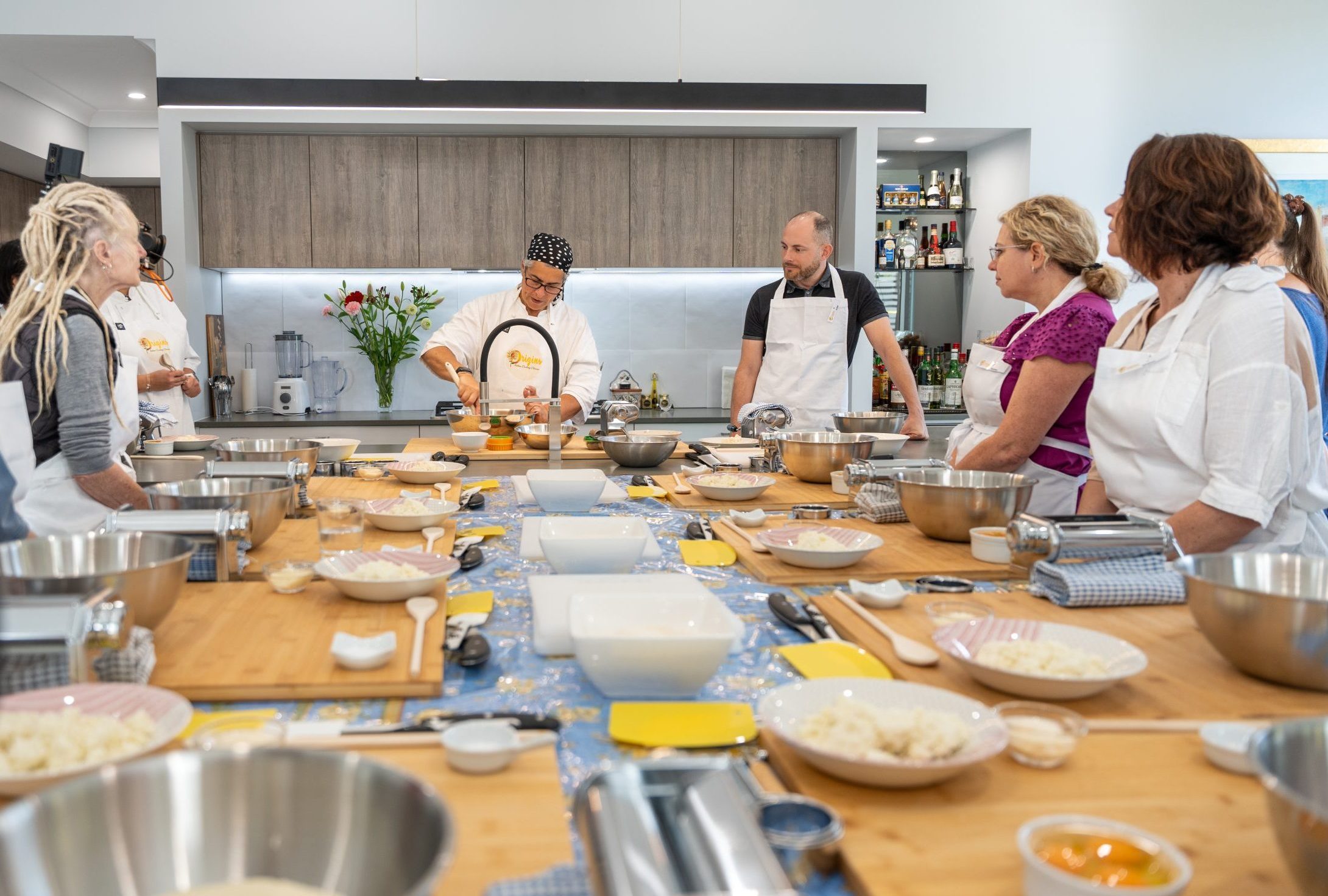
From Hobby to Profession: The Modern Culinary Classroom
Cooking is far more than a daily chore—it is a creative outlet, a science, and a viable career path. Today's culinary courses have evolved beyond basic recipe memorization, offering a blend of hands-on technique, nutrition science, business acumen, and cultural history. Whether you dream of running a professional kitchen or simply want to impress dinner guests, formal training can transform your relationship with food and open doors to new opportunities.
Exploring Course Types: Flexibility for Every Learner
Half-Day Workshops to Full-Immersion Programs
Modern culinary education offers remarkable flexibility. You do not need a year-long degree to gain professional insights. Many enthusiasts begin with short, skill-focused sessions—mastering fresh pasta, fish cookery, or sauce techniques. For a deeper experience, week-long immersion programs combine daily market visits, hands-on cooking, wine pairing, and cultural history. These courses often cover 40–50 dishes and provide a holistic understanding of regional cuisine.
Key course options include:
Half-Day Cooking Courses (4–6 hours): Focus on 1–3 core dishes, guided tastings, ideal for travelers seeking a quick introduction.
Week-Long Seasonal Immersion (5 full days): Daily market visits, cooking sessions, wine lessons; approximately 40–50 dishes and multiple local wines.
Language + Cooking Combos (1 week): Morning language lessons, afternoon cooking and dining—perfect for cultural immersion.
Specialized Thematic Classes (half to full day): In-depth focus on wine, olive oil, regional dishes, or ingredient-driven workshops.
Short Skill-Focused Courses: Intensive training in one technique (pasta shaping, fish cookery, sauces) without a long commitment.
Source: Awaiting Table Cooking School Italy - Lecce Cooking Courses Overview (2025)
Interdisciplinary Trends: Health, Business, and Tradition
Beyond technique, culinary education now incorporates “culinary medicine,” blending cooking with healthcare principles to improve community health. Courses also teach entrepreneurship, menu innovation, and cost control. By studying historical cookbooks and global food trends, students become well-rounded food citizens ready to adapt to changing consumer demands.
Why Formal Credentials Matter
While creativity is the heart of cooking, structured learning provides tangible career benefits. Industry data shows that professionals with associate degrees or specialized diplomas often command significantly higher salaries than those without formal education. Credentials open doors to roles like executive chef, food stylist, or kitchen manager. With flexible online and hybrid options, gaining these qualifications is more accessible than ever. The culinary field remains resistant to automation because human touch and palate are irreplaceable in creating memorable dining experiences.
Inside the Curriculum: From Basics to Business
Core Skills and Techniques
Top programs build a strong foundation before advancing to creative expression. Students start with safety and sanitation, then move to specialized techniques. Courses cover protein fabrication (primal cuts of meat, poultry, seafood), pastry arts (artisan breads, cake decorations, menu planning), vegetarian diets, and starch cookery. The goal is technical proficiency across every station of a professional kitchen.
Beyond the Kitchen: Health and History
Contemporary culinary courses are increasingly interdisciplinary. Students explore culinary medicine—integrating cooking skills with nutritional knowledge to improve health outcomes. The curriculum often includes food history, using cookbooks as resources to understand cultural evolution. This holistic approach ensures graduates are not just skilled chefs but informed professionals ready to tackle modern challenges.
Practical vs. Theoretical Training
Hands-on practice is the heartbeat of any culinary program. Whether in student-run cafes or internships, real kitchen experience builds muscle memory and confidence. But theory—food safety, nutrition science, menu development, cost control—elevates a cook to a leader. Modern programs blend both worlds, ensuring graduates can run a kitchen that is creative, profitable, and safe.
Frequently Asked Questions
Why should one consider taking culinary courses?
Culinary courses provide formal credentials that lead to higher earning potential and professional stability. They enhance creativity while covering essential topics like nutrition, business, and management, making you a well-rounded food professional.
What types of culinary courses are available?
Options range from half-day skill-focused workshops to week-long immersion programs, language-cooking combos, and specialized classes focusing on specific cuisines or techniques. There is a path for every level of curiosity and commitment.
How to choose the right program?
Consider your goals—whether professional leadership or personal enrichment. Evaluate duration, core components, practical vs. management training, and how the program aligns with your career aspirations. Look for marketable credentials and preparation for the foodservice industry.
What does the curriculum typically cover?
Core topics include food safety, cooking methods, baking arts, nutrition, and menu development. Practical skills cover food preparation, international cuisines, and healthy cooking. Management training includes recipe development, cost control, and catering operations.