How to Become an MRI Technician: Online & Hybrid Learning Pathways
Discover how hybrid and online programs train MRI technicians through virtual labs, flexible theory, and clinical rotations. Start your imaging career today.
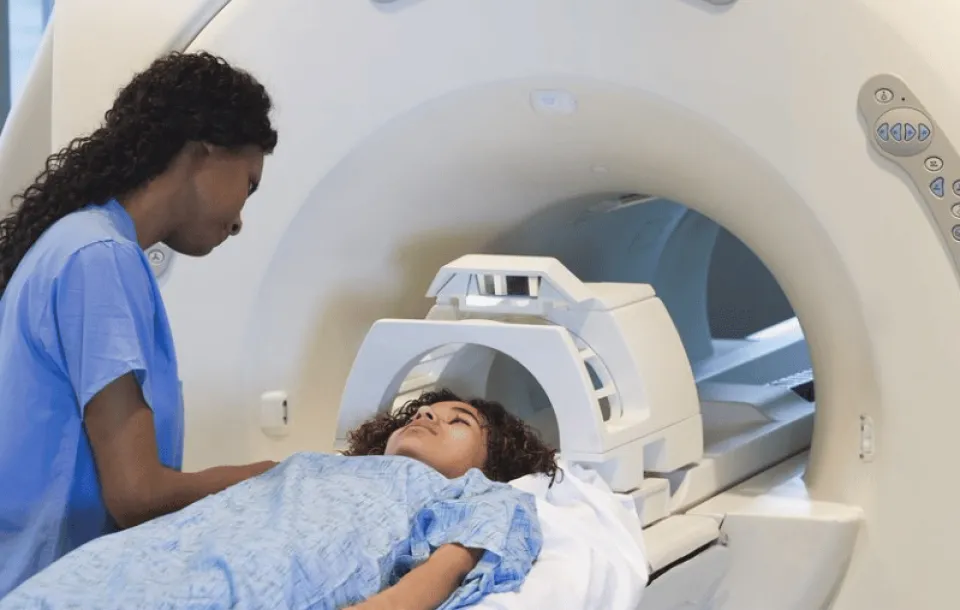
Why Online and Hybrid Programs Are Transforming MRI Education
The demand for skilled MRI technologists continues to outpace supply, and traditional classroom‑based training no longer fits the realities of many aspiring professionals. Online and hybrid learning models have emerged as a powerful solution, offering the same rigorous curriculum while adapting to students’ schedules and locations. By separating theoretical instruction—such as cross‑sectional anatomy, magnetic resonance physics, and imaging protocols—from hands‑on practice, these programs allow learners to absorb complex concepts at their own pace before stepping into a clinical environment.
This flexibility is especially valuable for current radiologic technologists seeking advanced certification or for parents and working individuals who cannot attend daytime classes. Instead of quitting a job or relocating to a major city, students can complete the bulk of their didactic work through video lectures, interactive modules, and digital textbooks. They can review topics like pulse sequences or magnetic field vectors repeatedly until mastery. The result is a pathway that values motivation and dedication over geography and convenience.
Virtual Simulations: Bridging the Gap Between Theory and Practice
One of the biggest challenges in imaging education has always been the leap from textbook to scanner. Memorizing the physics of spin echoes is very different from sitting at a console and producing a diagnostic image. Modern programs solve this by integrating sophisticated virtual laboratories—software that replicates the full interface of real MRI scanners. Students can navigate menus, set protocols, adjust parameters like repetition time (TR) and echo time (TE), and see the immediate effect on image contrast.
This flight‑simulator approach builds familiarity and confidence. Before a student ever touches a real patient, they have performed hundreds of simulated scans. They learn to troubleshoot artifacts like motion ghosting or wrap‑around without causing harm. Risk‑free trial and error turns abstract numbers into tangible visual realities. When they eventually enter a clinical site, they are not overwhelmed by buttons and options; they already understand the logic of the system, allowing them to focus on patient care and safety.
Hands‑On Clinical Rotations: The Essential Final Step
No simulation can fully replace the nuances of positioning a patient in pain, managing claustrophobia, or collaborating with a fast‑paced medical team. That is why legitimate online programs always include extensive clinical rotations. The online portion front‑loads the intellectual requirements so that clinical time is maximized for physical skill acquisition. Under the supervision of experienced technologists, students learn the art of communication, adaptive protocol for trauma cases, and strict safety procedures in a high‑magnetic‑field environment.
This integration of digital preparation and real‑world practice creates a well‑rounded professional. Graduates emerge not just with a certificate but with genuine competence—able to distinguish normal anatomy from pathology, optimize image quality, and serve as an active partner in the diagnostic process.
Specialization and Career Advancement Opportunities
For those already working in radiography, CT and MRI certificate programs online allow rapid specialization. These focused programs are often shorter than full degrees and concentrate on advanced techniques, enhancing qualifications and earning potential. Accelerated 1‑year radiology tech programs online appeal to career changers who want to enter the workforce quickly, as long as the program is accredited and meets regional licensing requirements.
Pursuing an online medical imaging degree opens doors to supervisory roles, specialized positions, and advanced clinical practice. Employers value the commitment to professional development that an online degree represents. Whether you are starting fresh or looking to advance, the key is to choose a program with strong accreditation, expert faculty, and robust clinical partnerships.
Common Questions About Online MRI Training
What are the advantages of enrolling in radiology online courses? Flexibility and convenience top the list. Students learn at their own pace, accessing resources and expert instructors from anywhere. This is ideal for those balancing work or family commitments.
How do 1‑year radiology tech programs online compare to traditional programs? They are more accelerated, designed to equip students with essential skills quickly. Ensure the program is accredited and meets local licensing before enrolling.
What should I look for in an MRI technologist school near me? Accreditation, comprehensive curriculum, faculty expertise, and strong hospital partnerships for clinical placements. Hands‑on experience is critical for skill development.
What are the benefits of CT and MRI certificate programs online? They allow focused specialization in a shorter time, increasing job opportunities and salary potential for existing imaging professionals.
How can an online medical imaging degree impact my career as an MRI technician? It provides advanced knowledge, opens doors to leadership roles, and demonstrates a commitment to the field—highly valued by employers.