Neuroplasticity, Neurotransmitters & Focus: Unlocking Your Brain's Potential
Learn how neuroplasticity, neurotransmitter balance, and cognitive load management boost memory, focus, and mental resilience. Practical strategies included.
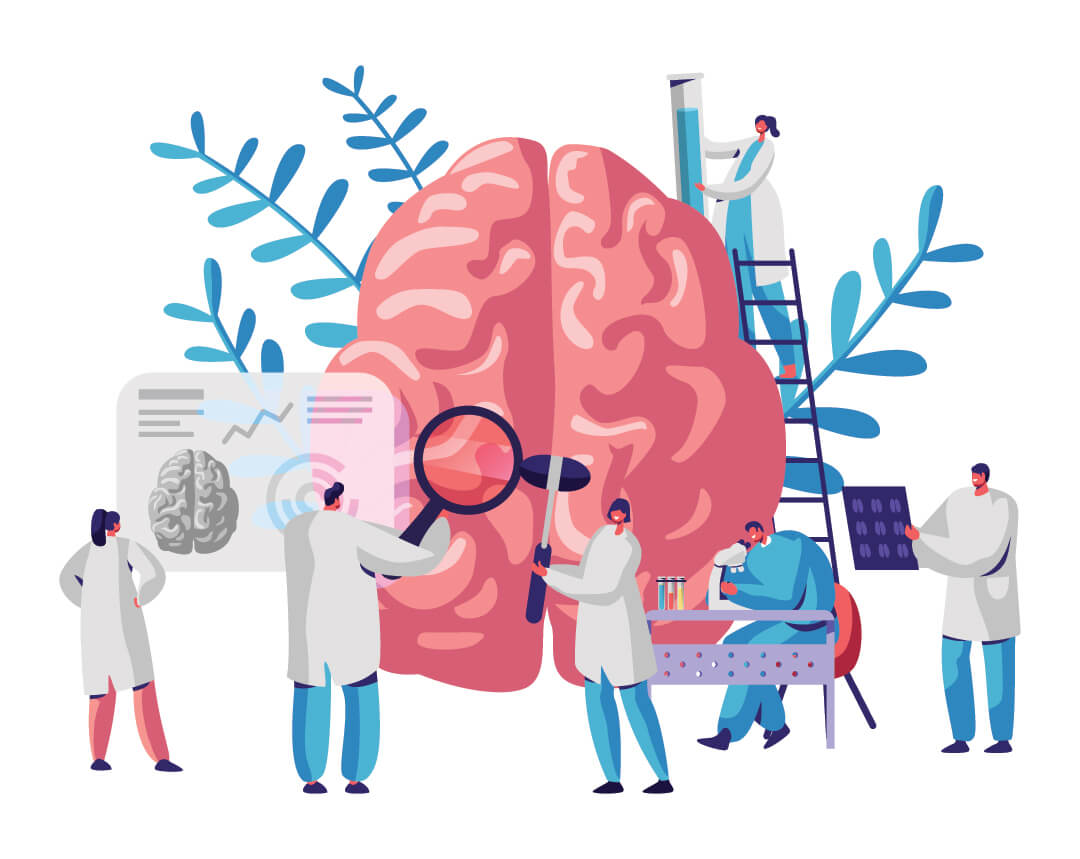
Understanding Neuroplasticity: The Brain's Adaptive Power
Neuroplasticity refers to the brain's remarkable capacity to reorganize itself by forming new neural connections throughout life. This inherent flexibility is fundamental to learning, memory, and recovery from injury. Rather than being a static organ, the brain continuously reshapes itself in response to experiences, strengthening frequently used pathways while pruning those that are neglected. This dynamic process underscores the "use it or lose it" principle, where active engagement keeps neural circuits robust and efficient.
How Experience Reshapes Neural Architecture
Every interaction—from a simple conversation to mastering a musical instrument—physically alters the brain's structure. Repeated practice reinforces specific neural circuits, making them faster and more efficient. For example, musicians often show enhanced development in areas related to auditory processing and motor control. Similarly, mindfulness meditation strengthens networks involved in attention regulation. This demonstrates that we are not passive recipients of experience; our actions actively sculpt our cognitive landscape, empowering us to direct our mental growth.
Resilience Through Neural Reorganization
Perhaps the most compelling evidence of neuroplasticity is the brain's ability to compensate after injury. When certain regions are damaged, other areas can sometimes take over lost functions, forming new connections to restore abilities. This is the foundation of cognitive rehabilitation therapies, which harness plasticity to rebuild skills and improve quality of life. Beyond recovery, engaging in novel and challenging activities builds a rich network of connections that buffers against stress and adversity, enhancing overall mental resilience.
The Chemical Balance: Neurotransmitters and Neural Protection
Neurotransmitters are the chemical messengers that enable communication between nerve cells. They not only facilitate rapid signal transmission but also play a critical role in protecting neurons from damage. Maintaining a harmonious balance of these chemicals is essential for efficient cognitive processing and long-term brain health.
Key Messengers for Learning and Memory
Acetylcholine and dopamine are two crucial neurotransmitters for cognition. Acetylcholine aids in memory formation by helping encode new information, while dopamine reinforces learning through motivation and reward. When these chemicals are in balance, signals are transmitted clearly, and memory encoding and retrieval are optimized. Disruptions to this balance can impair focus, learning, and recall.
Safeguarding Nerve Cells Through Balance
Chronic stress or inflammation can disturb neurotransmitter equilibrium, leading to damage in nerve cells and cognitive decline. A stable internal environment, supported by healthy habits, fosters neuroprotection. This protective environment enhances resilience and ensures smooth cognitive functioning. By promoting neuroprotection through lifestyle choices, we help maintain the structural integrity of brain cells, supporting optimal learning and memory.
Managing Cognitive Load for Optimal Focus
In today's information-saturated world, mental overload is common. Cognitive load refers to the amount of mental effort being used in working memory. When demands exceed capacity, focus suffers and errors increase. Balancing cognitive load involves managing these demands so the brain can operate efficiently, sustaining clarity and attention.
Understanding the Three Types of Cognitive Load
Cognitive load is categorized into intrinsic, extraneous, and germane. Intrinsic load is the inherent difficulty of a task, such as learning a new language. Extraneous load arises from how information is presented—often unnecessary and distracting. Germane load is the productive mental effort used to build understanding and should be maximized. By reducing extraneous load and managing intrinsic load through chunking and structured presentation, learners can free up cognitive resources for deeper processing.
Practical Strategies to Reduce Overload and Improve Focus
Single-tasking—focusing on one activity at a time—enhances performance by allowing the brain to dedicate full attention to the task. Mindfulness meditation strengthens attention-control networks by training the mind to return to a single point of focus. Additionally, studying in natural environments or taking short breaks in green spaces can restore attentional resources. Organizing one's workspace to minimize distractions further reduces extraneous load, making it easier to maintain deep focus.
Enhancing Memory: Techniques and Natural Mechanisms
Moving beyond simple brain games, advanced techniques can significantly boost memory and cognitive function. These methods leverage neuroplasticity and personalized approaches to strengthen the neural foundations of learning.
Targeted Brain Stimulation Methods
Techniques such as transcranial electrical or magnetic stimulation can encourage efficient neural firing. When paired with cognitive exercises, these non-invasive sessions create favorable conditions for memory retention and focus. They exemplify how targeted interventions can strengthen cognitive functions without overwhelming the brain.
Personalized Training and Biological Insight
Adaptive training programs that adjust difficulty based on individual brain activity profiles can optimize memory recovery. Real-time feedback systems allow for highly efficient learning environments, substantially improving cognitive circuits. On a biological level, emotionally significant events are better remembered, especially when they occur near sleep cycles. Certain neurons specialized for memory recognition highlight the intricate biochemistry involved. To support natural memory processes, cultivate positive emotions, prioritize deep rest, and maintain a curiosity-driven mindset—these holistic strategies nurture brain health and foster lifelong cognitive growth.
Frequently Asked Questions
What is brain plasticity and how does it benefit cognitive functions?
Brain plasticity, or neuroplasticity, is the brain's ability to change and adapt through experience. It allows the brain to reorganize itself by forming new neural connections. This benefits cognitive functions by enhancing learning, improving memory, and aiding recovery from brain injuries. Continuous learning and mental challenges stimulate plasticity, leading to improved cognitive performance.
How does nerve protection contribute to overall brain health?
Nerve protection safeguards neurons from damage and degeneration, which is crucial for preventing neurodegenerative diseases like Alzheimer's and Parkinson's. Adequate intake of antioxidants, a healthy diet, and regular exercise reduce oxidative stress and support long-term brain health.
What are effective strategies for memory training?
Effective strategies include mnemonic devices, chunking, and spaced repetition. Regularly engaging in mental exercises such as puzzles, learning new languages, and memory games also enhances retention. Consistency strengthens neural pathways and improves memory capacity.
How does cognitive load affect learning and performance?
Cognitive load is the mental effort used in working memory. High load can overwhelm processing capacity, reducing learning efficiency and performance. Breaking information into smaller chunks and using visual aids helps manage load, facilitating understanding and retention.
What role do neurotransmitter activities play in focus enhancement?
Neurotransmitters regulate mood, attention, and focus. Dopamine is linked to motivation and reward, while norepinephrine affects alertness. Balancing these through nutrition, sleep, and stress management can significantly enhance focus and attention.