Backhoe Rental Guide: Pricing, Machine Selection, and Cost-Saving Tips
Learn how to budget for backhoe rentals, choose the right machine, and save with weekend deals. Expert tips on hidden fees and site assessment.
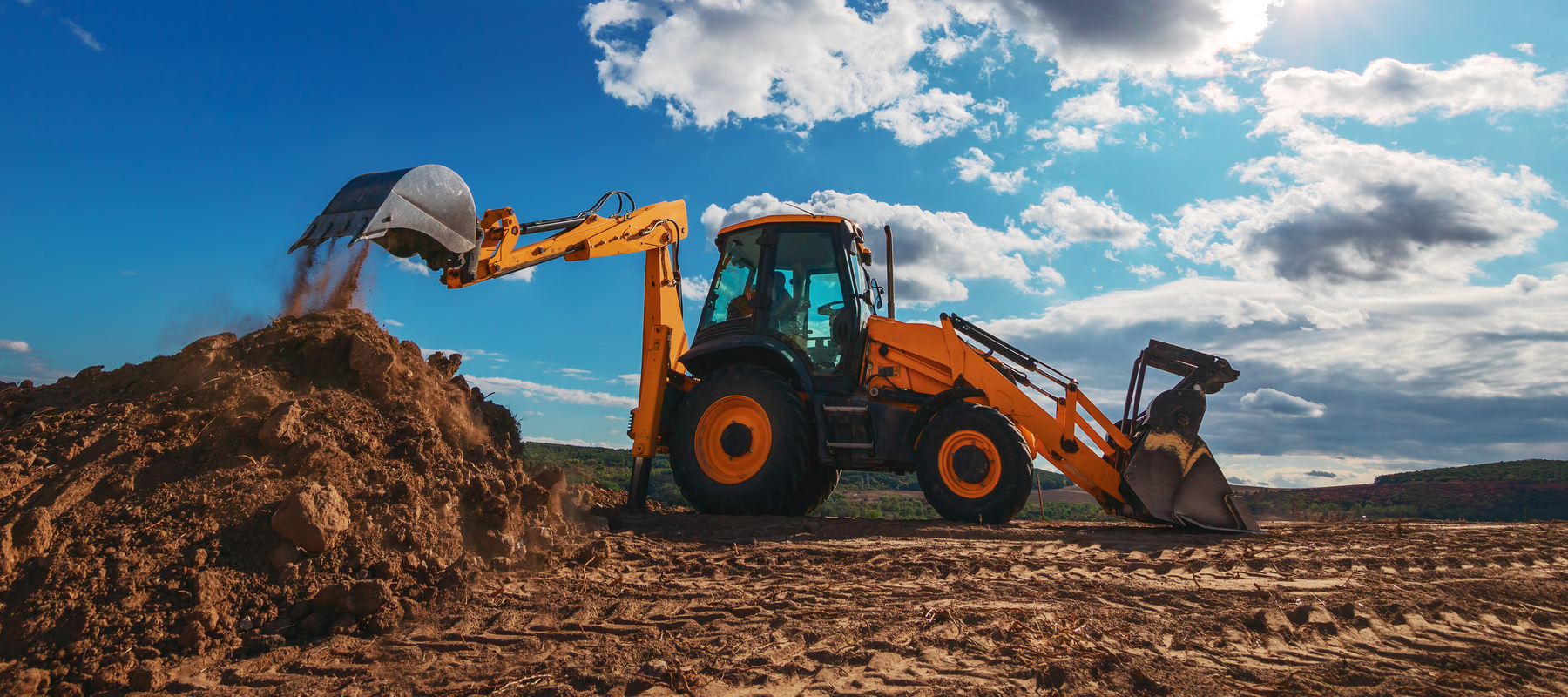
Choosing the Right Backhoe for Your Job Site
Assessing Site Constraints and Terrain
Before renting a backhoe, carefully evaluate the physical environment where you will work. A machine that is too large for a tight residential backyard can damage structures, utility lines, and landscaping. Compact or mini backhoes offer tighter turning radii and lower profiles, making them ideal for navigating narrow gates or working between existing buildings. For open commercial lots or large construction sites, a standard or full-sized backhoe provides the horsepower and bucket capacity needed to move substantial volumes of soil efficiently. If the ground is uneven, muddy, or covered in loose gravel, request a four-wheel-drive (4WD) unit to maintain traction and safety. Also consider the tire type—industrial lug tires for rough terrain or turf tires to protect delicate lawns. Matching the machine to your site prevents costly delays and property damage.
Matching Power Specifications to Project Needs
Two critical specifications determine whether a backhoe can perform your required tasks: digging depth and lift capacity. If you need an eight-foot-deep trench for a sewer line, renting a machine with a maximum dig depth of seven feet wastes time and money. Lift capacity on the front loader must exceed the heaviest load you will handle, such as concrete septic tanks or large rocks. Overloading risks tipping and mechanical failure. It is always better to select a model with a slight performance buffer. The versatility of a backhoe also depends on attachments. A standard bucket excels at digging, but demolition, drilling, or grading require different tools. Common attachments include hydraulic breakers, augers, grading buckets, and pallet forks. Reserving the right attachments upfront prevents mid-project delays and avoids the need to rent separate equipment.
| Attachment Type | Primary Function | Ideal Project Scenarios |
|---|---|---|
| Standard Bucket | Digging & Loading | General excavation, trenching for utilities, moving loose soil. |
| Hydraulic Breaker | Demolition | Breaking up concrete driveways, rocky soil, or old pavement. |
| Auger | Drilling | Boring holes for fence posts, tree planting, or deck footings. |
| Grading Bucket | Smoothing & Leveling | Final surface preparation, backfilling trenches, clearing wide areas. |
| Pallet Forks | Material Handling | Moving stacked stone, lumber, or piping around the job site. |
Understanding the True Cost of a Backhoe Rental
Beyond the Daily Rate: Hidden Fees
The advertised daily or weekly rate rarely reflects the final invoice. Transportation is the biggest variable—hauling a backhoe requires a flatbed trailer, and fees depend on distance and access complexity. A nearby provider with a higher daily rate may actually save you hundreds of dollars in delivery charges compared to a distant low-cost vendor. Operational costs also add up: most rental agreements require a damage waiver or insurance, and fuel policies usually expect a full tank upon return (refueling by the company incurs a premium). Environmental fees or cleaning charges for excessive mud may appear. Clarifying these line items upfront ensures no surprises at project close.
Strategic Timing and Duration
Rental pricing is tiered to reward longer commitments. A three-day rental often costs nearly the same as a full week because providers prefer steady utilization. If your project will take 3.5 days, book a full week to cap costs and build in a buffer for weather or delays. Many vendors also offer weekend specials—picking up Friday afternoon and returning Monday morning can be billed as a single day. Always ask, "What is the most cost-effective duration for my timeframe?" to unlock unadvertised savings.
Maximizing Efficiency with a Backhoe Loader
The Two-in-One Advantage
A backhoe loader combines a loader bucket on the front and an excavating hoe on the back. This dual functionality allows a single operator to dig, move material, backfill, and grade without switching machines. Compared to renting separate mini-excavators and skid steers, you save on delivery fees, insurance, and parking space—critical on congested urban sites. Only one engine to fuel, one set of keys, and one machine to secure at day's end. Operators can fluidly transition between tasks, keeping the project moving with a consistent rhythm.
Choosing a Rental Provider: Support and Maintenance
Price should never be the sole factor. A backhoe is a complex hydraulic system subject to immense stress. Breakdowns on site halt the entire job and cost lost labor. Select a provider known for rigorous fleet maintenance—they inspect equipment between rentals and have defined failure response protocols. Ask: "Do you have a mechanic on call for weekends?" and "How quickly can you replace a broken unit?" The ability to dispatch a mobile mechanic or swap out a machine within hours is worth a slightly higher premium. Professional vendors also walk you through controls and safety features upon delivery, boosting operator confidence. A well-maintained machine from a responsive vendor is an investment in project certainty.
Frequently Asked Questions About Backhoe Rentals
How can I find a backhoe rental near me? Use online rental platforms, Google Maps, and local directories. Check reviews and contact suppliers directly for availability and pricing.
What factors affect the cost of renting a backhoe with an operator? Rental duration, operator experience, job complexity, regional pricing, transportation, and fuel all influence the total cost.
How do I ensure immediate backhoe availability? Book in advance, confirm a few days before your start date, and build a relationship with a reliable provider to get priority during peak seasons.
What should I include when requesting a quote? Provide detailed project scope, location, expected duration, specific requirements (like attachments), and any site challenges to receive an accurate estimate.
Why are rental quotes important for budgeting? Quotes give a clear picture of equipment costs, allow comparison between vendors, and help allocate funds accurately to meet timelines and requirements.