Why Some Neighborhoods Stay Hot After Dark: Urban Heat Island Effect and Cooling Design
Learn why built-up areas trap heat after sunset and how materials, trees, and airflow affect neighborhood comfort.
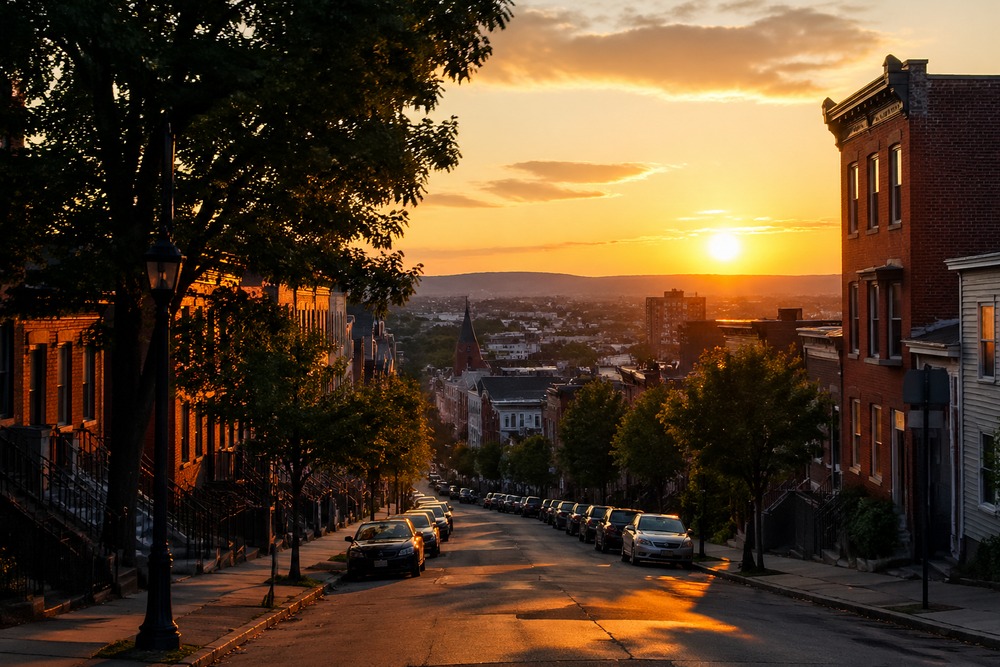
What Makes a Neighborhood Feel Hotter After Sunset
Many people notice that some streets stay uncomfortably warm long after the sun goes down. This is not random—it is a known pattern called the Urban Heat Island Effect. Dense areas absorb heat during the day through dark pavement, building materials, and limited greenery, then release it slowly at night. The result is a prolonged cooling period that affects how homes, sidewalks, and public spaces feel into the evening.
How Pavement and Roofs Store Daytime Heat
The materials used in a neighborhood directly control heat absorption and release. Dark paved surfaces, concrete walls, and low-shade rooftops soak up sunlight and radiate warmth for hours. Reflective roof materials are one common solution—they reduce the amount of heat a building takes in during bright hours. However, roof changes alone are not enough. The cumulative effect of many surfaces matters. A block with mostly dark ground and walls will stay warmer even if one building adds a reflective roof.
| Urban Element | Common Heat Behavior | Comfort Implication |
|---|---|---|
| Dark paved ground | Stores warmth strongly | Can keep walking areas warmer after sunset |
| Shaded planting zones | Buffers direct sun exposure | Supports cooler perceived conditions |
| Reflective roof surfaces | Limits heat absorption | Can ease indoor heat buildup |
| Open wind paths | Improves local air movement | Helps warmth disperse more naturally |
Why Tree Placement Matters More Than Just Shade
Trees do more than block sunlight. Tree canopy cooling also reduces surface temperatures by preventing heat absorption in the first place. Shaded sidewalks, walls, and parked cars stay cooler during the day, which means less heat is available to radiate at night. But not every tree has the same impact. Planting that protects sitting areas or building facades where people spend time offers the greatest benefit. Effective shade planning focuses on actual use patterns, not just decoration.
How Airflow Affects Evening Comfort
Wind paths are a less visible but critical factor. When buildings and structures block natural air movement, stored heat lingers at street level. Even a small breeze can make a space feel significantly more breathable. Some compact neighborhoods feel stuffier not because they store more heat, but because warm air cannot escape. Urban design that respects existing air corridors—without needing dramatic changes—can improve nighttime cooling.
What These Factors Mean for Indoor Comfort
The Urban Heat Island Effect is often felt first inside homes. A bedroom wall that stays warm after sunset, or a room that feels stuffy despite open windows, may reflect the local outdoor heat storage. Summer indoor comfort depends partly on curtains, ventilation timing, and shade from nearby planting, but these measures work best when the surrounding environment also helps. A cooler neighborhood comes from multiple practical choices working together.
Cumulative Design: Small Changes Add Up
No single sidewalk or tree can fully correct urban heat. But when reflective surfaces, planted shade, open airflow, and thoughtful placement are combined, the overall atmosphere improves. Streets become more usable, buildings release heat more gently, and residents recover comfort sooner after sunset. This perspective shows that city heat is not an uncontrollable climate problem—it is the result of design decisions that can be made differently.
Frequently Asked Questions
Why can one street feel hotter than another nearby?
Differences in materials, tree cover, shade, and airflow cause local variations in heat absorption and release, even within a short distance.
Do trees only help during the day?
No. By limiting daytime heat absorption, trees also reduce how much warmth remains in the evening.
Are roofs more important than pavement?
Both matter. Roof choices affect building heat gain, while pavement strongly influences outdoor walking comfort.
Why does airflow matter if the weather is already hot?
Moving air helps disperse warmth and changes perceived temperature. Stagnant spaces feel heavier and cool more slowly.
Can small local changes really make a difference?
Yes. Many modest improvements—especially around shade, materials, and airflow—can collectively produce noticeable comfort gains.