Non-Surgical Facelift: Juvederm Fillers & Laser Skin Tightening for Natural Results
Discover how Juvederm fillers and laser treatments work together to restore volume and tighten skin for a natural, non-surgical facelift. Learn benefits, costs, and maintenance.
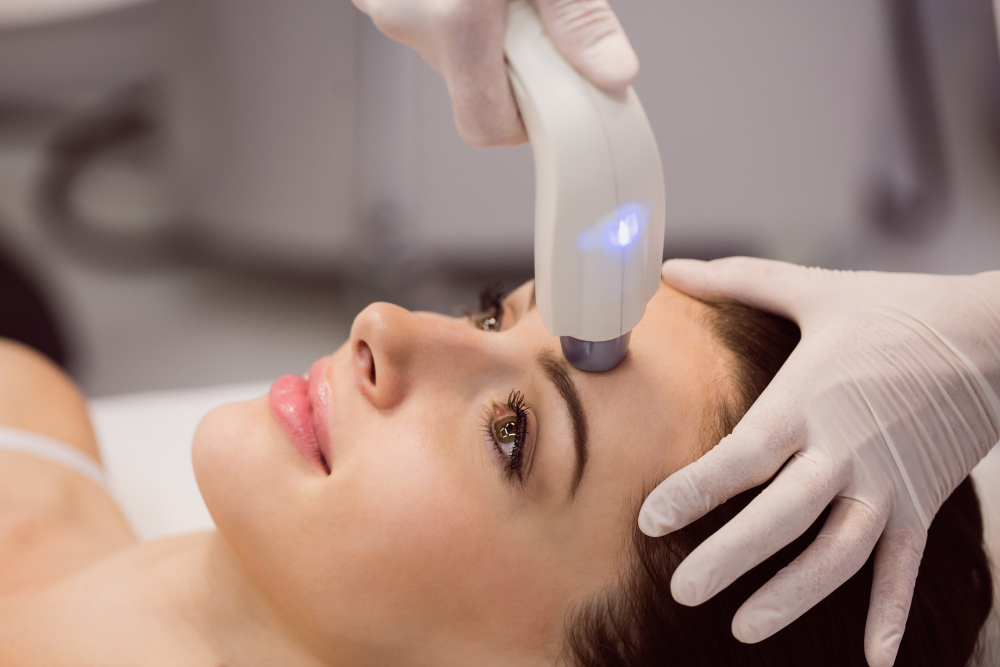
Understanding Modern Non-Surgical Rejuvenation
Aging brings visible changes to the face: loss of volume, sagging skin, and uneven texture. Many seek solutions that avoid the risks and downtime of surgery. Today, combining dermal fillers like Juvederm with energy-based laser treatments offers a powerful alternative. This dual approach restores lost facial contours while tightening skin from within, delivering natural-looking results that evolve gracefully over time.
Restoring Volume with Juvederm
Rebuilding Facial Structure from the Inside
Juvederm is a hyaluronic acid gel injectable that replenishes the fat and tissue lost with age. Unlike surgical lifts that pull skin tight, Juvederm fills hollow areas such as the cheeks, temples, and nasolabial folds. By placing the gel in deep dermal layers, practitioners lift sagging mid-face areas and redefine the jawline. The result is a plump, natural look that moves with expression—much like restoring the underlying framework of a facial balloon.
Subtle, Bespoke Contouring
One of Juvederm's key benefits is precision. The amount and placement can be micro-adjusted to suit each person's unique bone structure. This avoids the overfilled appearance and creates a refreshed look where friends may say you seem vibrant rather than radically changed. The gel also attracts moisture, improving skin quality beyond simple volume. This approach, often called a liquid facelift, provides immediate results with minimal downtime, making it a low-risk alternative to surgical options.
Tightening Skin with Light Energy
How Laser and Energy Treatments Work
Laser and radiofrequency (RF) devices use controlled heat to stimulate the skin's natural repair response. When light energy targets the dermis, the body ramps up collagen and elastin production, gradually firming and smoothing the skin. Unlike ultrasound that reaches deep muscle layers, light-based treatments excel at refining texture, minimizing pores, and reducing fine lines. Fractional lasers resurface uneven areas, while broadband light fades sunspots and redness—all without incisions.
Improving Texture and Tone
A youthful face needs more than volume; the skin's surface must be smooth and glowing. Energy treatments complement fillers by tightening lax skin under the chin and improving overall complexion. When combined, the structural support from fillers and the tightened "wrapper" from lasers create a harmonious lift. This synergy reduces the amount of filler needed, preventing a puffy look, and delivers lasting benefits that compare favorably with surgical facelift costs.
The Power of Combined Modalities
Harmonizing Volume and Texture
Leading practitioners now advocate for a dual technique: treat both volume loss and skin quality simultaneously. Juvederm fills the scaffold, re-draping skin over restored contours; then laser treatments shrink the envelope around that volume. This holistic strategy addresses deep aging and surface weathering together. The face gains three-dimensional vitality, with light reflecting evenly off smoother skin. It's a sophisticated approach that prioritizes balance over simple wrinkle removal.
Expectations, Maintenance, and Cost
Non-surgical facelift costs vary by provider, location, and treatment extent. However, combining fillers and lasers often proves more economical than surgery when factoring in recovery time and social downtime. Results from fillers are immediate; laser improvements appear gradually over weeks as collagen rebuilds. Because these treatments are temporary, they can be adjusted as your face changes naturally. Regular maintenance sessions keep you looking fresh without the risk of a permanent alteration that may age poorly. Think of it as ongoing self-care rather than a one-time fix.
Frequently Asked Questions
What is a Juvederm facelift and how does it differ from surgery? A Juvederm facelift is a non-surgical procedure using hyaluronic acid fillers to restore lost volume and lift facial contours. Unlike traditional surgery that cuts and tightens tissue, it is minimally invasive with immediate results and no incisions. It is ideal for those with mild to moderate volume loss who want a natural enhancement.
How does laser treatment for the face work? Laser and energy devices deliver controlled heat to the skin, triggering collagen production and skin renewal. Benefits include reduced wrinkles, improved texture, fading of scars and pigmentation, and overall tightening. Treatments are tailored to skin type and condition, offering a non-invasive path to a youthful look.
What factors affect the cost of a non-surgical facelift? Costs depend on the provider's expertise, geographic location, the number of filler syringes, and the type of laser sessions needed. Anesthesia fees are usually absent. A thorough consultation will provide a personalized estimate. Combining treatments may offer package savings.
Who is a good candidate for a mini facelift versus non-surgical options? A mini facelift primarily addresses lower-face jowls and mild sagging via shorter incisions. Ideal candidates are younger patients with limited skin laxity. Non-surgical approaches suit those wanting no downtime, subtle results, or who need both volume and texture improvements.
Can laser facelifts replace surgical facelifts? Laser facelifts effectively tighten mild to moderate skin laxity and improve texture but cannot correct significant sagging or excess skin. They are best for subtle rejuvenation and are often used alongside fillers for optimal outcomes. For severe aging, surgical options remain more effective.